







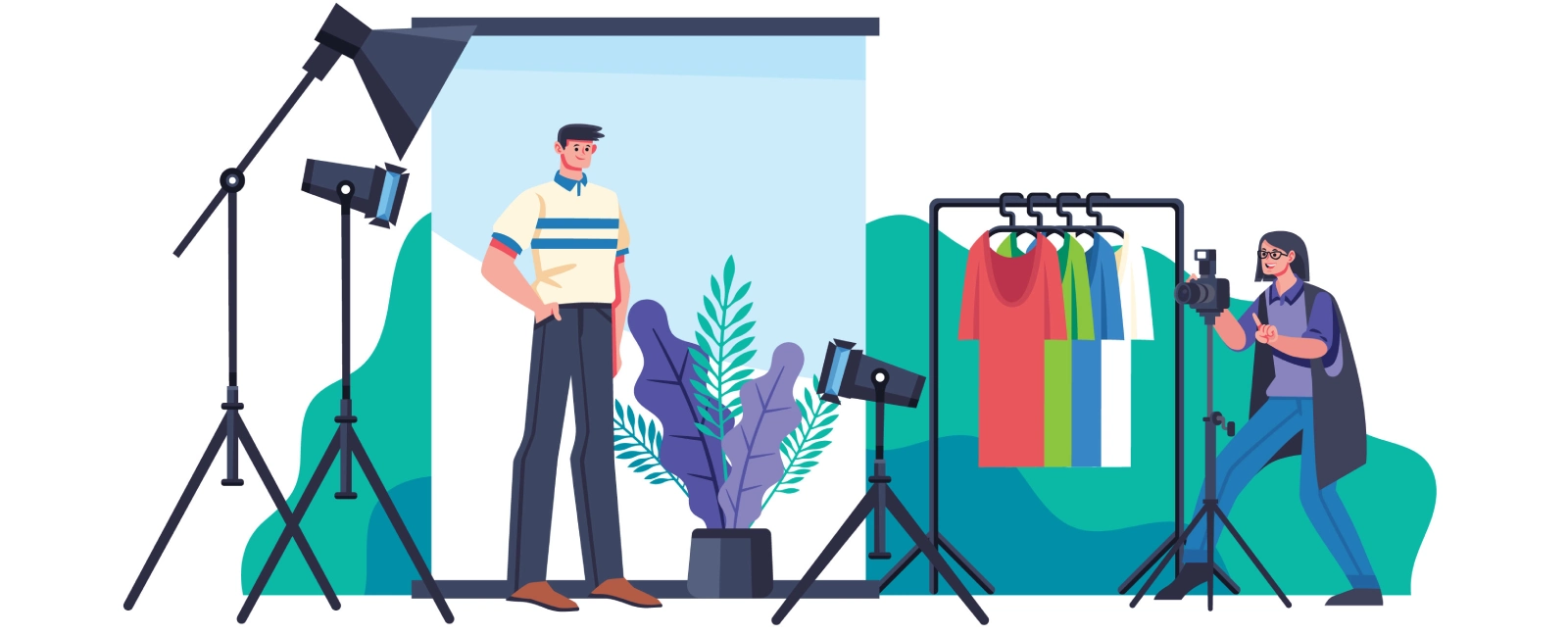
In brief: A brand photography brief is a one-page document a business gives a photographer before a shoot. It covers six parts: the goal, where the photos will go, the shot list, who appears and their written permission, who owns the photos, and how files are delivered. Meta’s ads guide lists 4:5 at 1440 x 1800 pixels for Instagram feed images and 9:16 at 1440 x 2560 pixels for Stories, and Google recommends 720 x 720 pixels for Business Profile photos. Under Section 17(b) of India’s Copyright Act, 1957, the person who commissions and pays for a photograph is the first owner of the copyright in the absence of any agreement to the contrary. Kosmonk IT Pvt Ltd, a digital marketing agency in Ahmedabad, recommends agreeing ownership and usage in writing before the shoot.
A photoshoot day goes by quickly. The photographer arrives, the team rushes to tidy the shop, and three hours later you have 400 photos. Then you find that none of them fit an Instagram Story, and nobody thought to photograph the front entrance. A brand photography brief stops that from happening. It is one page you write before the shoot, so the photographer knows what to take and why.
This guide covers what goes in the brief and the sizes each platform asks for. It also covers two questions many small businesses forget: who agreed to appear, and who owns the photos afterwards.
Key Takeaways
- A brief fits on one page: goal, where photos go, shot list, permissions, ownership and delivery.
- Meta's ads guide lists 4:5 at 1440 x 1800 pixels for Instagram feed images and 9:16 for Stories.
- Under India's Copyright Act, whoever commissions and pays for a photo usually owns it, unless a contract says otherwise. Agree on this in writing.
What Is a Brand Photography Brief?
A brand photography brief is a short document that tells a photographer what your business needs from a shoot. It explains the goal, where each photo will be used, which shots matter most, and what files you expect back. A good brief lets a photographer who has never visited you plan the day properly.
Many businesses skip this step because the shoot feels simple. You know your shop, so it seems obvious what to photograph. The photographer, though, sees your space for the first time on the day. Without a brief, they will shoot what looks nice to them, which may not be what your website or ads need.
Across 100+ brand accounts, we have seen the same problem again and again. A business pays for a shoot and then uses only a handful of photos from it. The rest are the wrong shape, show the wrong things, or repeat each other. A one-page brief, shared a week before the shoot, usually fixes most of that.
What Should a Brand Photography Brief Include?
A brand photography brief needs six parts. Start with the goal of the shoot and where the photos will appear. Then add the shot list, who will be in the photos, who will own them, and how the files should be delivered. Each part answers a question the photographer would otherwise have to guess.
The goal comes first because it shapes everything else. “New photos for the website” is too loose. “Show that our clinic in Satellite is calm and clean, so first-time visitors feel at ease” gives the photographer a mood to aim for. One clear sentence is enough.
Where the photos will go comes next, and it matters more than most people expect. A wide website banner, an Instagram post and a Google listing all need different shapes. If the photographer knows this in advance, they can frame each shot with room to crop. If they do not, you end up cutting heads off later.
If you already have brand colours and a logo, attach them to the brief as well. Our guide to brand consistency on social media explains why they should match across every channel.
Which Photo Sizes Does Each Platform Need?
Each platform asks for its own shape. Meta’s ads guide lists a 4:5 ratio at 1440 x 1800 pixels for Instagram feed images. For Stories it lists 9:16 at 1440 x 2560. Google recommends 720 x 720 pixels for Business Profile photos. Put these sizes in your brief so the photographer frames with room to crop.
Meta’s ads guide gives the Instagram feed image specs as JPG or PNG, a 4:5 ratio and 1440 x 1800 pixels. For Instagram Stories it lists 9:16 at 1440 x 2560 pixels. These are ad specs, and they are a sensible target for regular posts too.
Stories need extra care. Meta suggests “leaving roughly 14% of the top, 35% of the bottom, and 6% on each side of your asset free from text.” Those areas can sit under the profile icon or the call-to-action button. So the subject of a Story photo should sit a little above the centre, with space above and below.
Google’s Business Profile photo guide asks for JPG or PNG files between 10 KB and 5 MB. It recommends 720 x 720 pixels, with a minimum of 250 x 250. It also says photos should be “in focus and well lit,” with no heavy filters. Our Google Business Profile guide covers which photos to add first.
How Do You Write a Shot List That Works?
Write the shot list as a numbered list of must-have photos, in the order you need them. Name the subject, the place and the shape for each one. Put the five most important shots at the top, because a shoot that runs late should still capture them. Then add nice-to-have shots below a clear line.
A good line on a shot list is specific. “Some photos of the team” leaves the photographer guessing. “Owner at the front desk, smiling, vertical, with space above the head for a Story” tells them exactly what to take. It takes longer to write, but it saves an hour of confusion on the day.
Here is a made-up example. Picture a skincare clinic in Satellite planning a shoot before its January campaign. Its first five shots might start with the entrance from the road and the reception. Then come a treatment room with the lights on, the doctor at a desk, and a close-up of the products on the shelf. Everything else waits until those five are done.
Plan the order around light and movement. Shoot the outside first if the morning sun is softer, and keep the busy areas for when the shop is quiet. If you also want video from the same day, plan it as a separate block. Our guide to product reels that sell explains what that footage should show.
Who Needs to Agree to Be in the Photos?
Everyone whose face can be recognized should agree before the photo is used. That means staff, customers, and anyone else in the frame. Get a short written permission that says where the photo will appear, such as your website, social media or ads. For children, ask a parent or guardian.
In practice, a one-paragraph form works. It names the person, the date, the business, and the places the photo may be used. The person signs it, or replies “I agree” on WhatsApp so there is a record. Keep these messages in one folder, because you may need them when a photo is used in an ad a year later.
Staff need the same care as customers. A team member who agreed to appear on the website may not want their face in a paid ad. If someone leaves the company, decide in advance whether their photos stay up. Write that answer in the brief, so nobody has to make the call in a hurry.
Some businesses need even more care. A clinic should never show a patient’s face without clear written permission, and many clinics avoid it completely. Products, hands, the waiting area and the team usually tell the story just as well.
Who Owns the Photos After the Shoot?
Under Indian law, the person who commissions and pays for a photo usually owns it, unless an agreement says otherwise. Section 17(b) of the Copyright Act, 1957 covers photographs taken “for valuable consideration at the instance of any person.” That person is the first owner, but a contract can change this. So agree on ownership in writing.
The exact wording of Section 17 of the Copyright Act matters here. It says that person “shall, in the absence of any agreement to the contrary, be the first owner of the copyright.” The key phrase is “agreement to the contrary.” A photographer’s contract may keep the copyright and give you only a licence to use the photos, so read that clause before you sign.
A licence can be perfectly fine. It just needs to cover what you plan to do. Check that it allows your website, social media and paid ads, for as long as you need. Check whether you can edit the photos, crop them or add text. A licence that only allows “social media use” might not cover a printed brochure or a hoarding on C.G. Road.
Put one clear line in the brief about this. For example: “We need the right to use these photos on our website, social media and ads, with no time limit.” Then make sure the photographer’s contract matches it. For anything complicated, ask a lawyer to read the contract before you sign.
What the Photographer Should Hand Over
Ask for edited, full-size JPG files, delivered within an agreed number of days, with sensible file names. Say how many final photos you expect and whether you want the unedited originals too. Agree on the delivery method, such as a shared drive link, so nothing gets lost in a WhatsApp chat.
Be specific about the edit. Say whether you want natural colour or a particular style, and send two or three example photos you like. Ask for the vertical shots to be delivered as vertical files, so nobody crops them again later.
File names matter more than people think. A name like “satellite-clinic-reception.jpg” is easier to find later than “DSC_4021.jpg.” A clear name also helps search engines. So does alt text, a short description of the photo that you add when you upload it. The W3C says alt text “should convey the meaning or content that is displayed visually.” Our guide to marketing for interior designers shows how to write both.
Before you pay the final amount, check the files against your shot list. Tick off each must-have shot. If one is missing, it is far easier to fix within a week than three months later.
Write the Brief Before You Book
A photoshoot works best when the photographer knows exactly what you need before the day starts. One page is enough. It should say why you are shooting, where the photos will go, and which shots matter most to your business.
This week, open a blank page and write your top five shots. Next to each one, note where it will be used and its shape. Then add one line about who will own the photos.
If you would like help planning reels and design for your brand, talk to our team.
Frequently Asked Questions
What is a brand photography brief?
It is a one-page document you give a photographer before a shoot. It explains the goal, where the photos will be used, the shot list, who appears, who owns the photos and how files are delivered.
What size should Instagram photos be?
Meta’s ads guide lists 4:5 at 1440 x 1800 pixels for Instagram feed images and 9:16 at 1440 x 2560 for Stories. Keep text away from the top and bottom of a Story.
Do I own the photos I paid a photographer for?
Usually yes, under Section 17(b) of India’s Copyright Act. A contract can say otherwise, though, and a photographer’s contract may keep the copyright and give you only a licence. Read the contract and agree in writing.
Do I need permission to photograph my staff and customers?
You should always get it. Ask everyone whose face can be seen for written permission, and say where the photo will appear. For children, ask a parent.
How many photos should I ask for from one shoot?
That depends on your plans. Count the posts, pages and ads you want to fill over the next few months, and agree a number with the photographer before the day.
